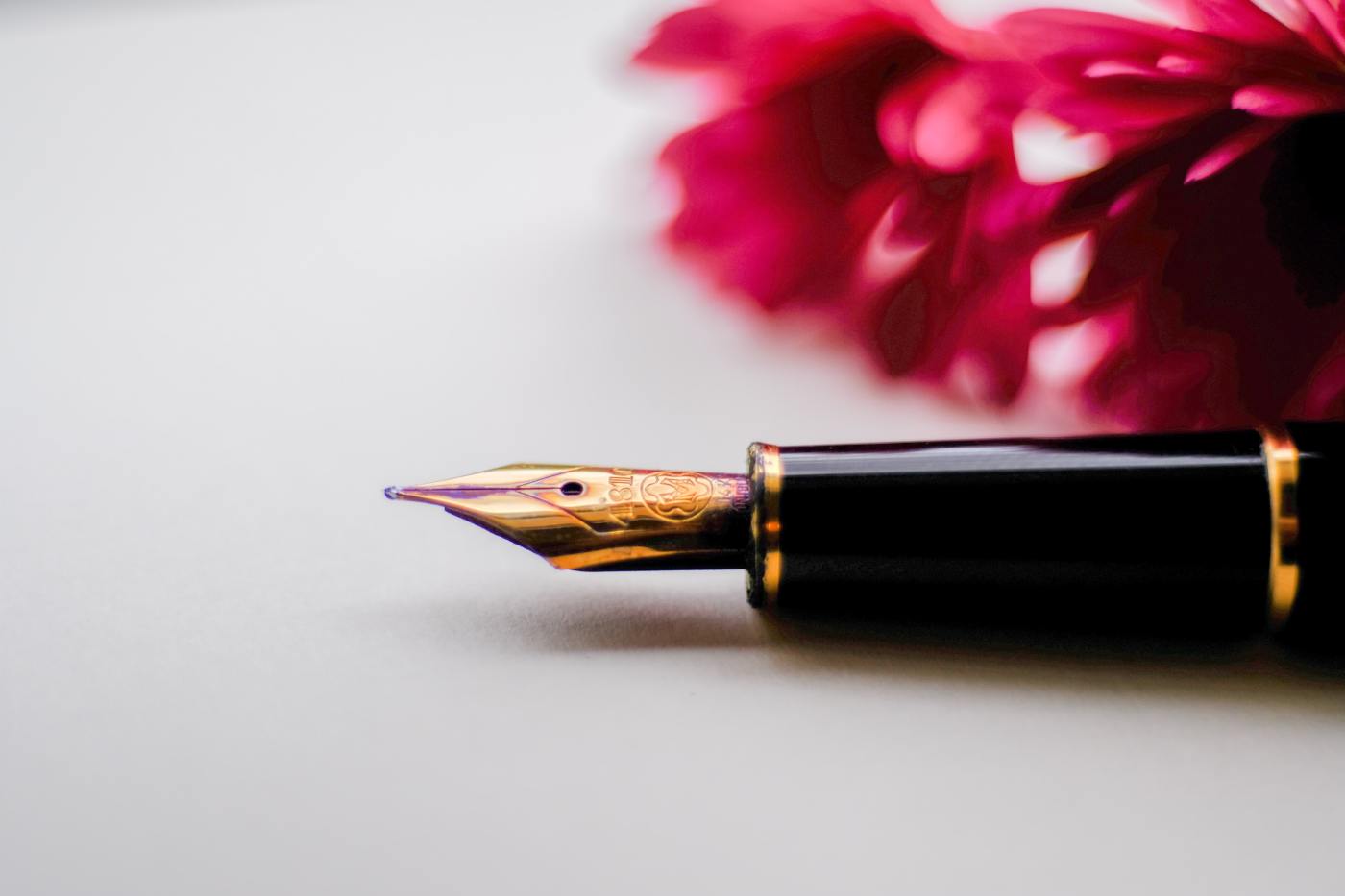
Quarantine has afforded me time to watch some of the films that have been gathering dust on my Netflix list, and last weekend I got around to watching the 2017 biopic Mary Shelley. It charts the early years of a young Mary Wollstonecraft-Godwin (Elle Fanning)’s relationship with the Romantic poet and radical Percy Bysshe Shelley; in the latter half of the film, we follow the couple to Lake Geneva, where Mary was first inspired to write her immortal novel Frankenstein: or, The Modern Prometheus. Challenged by Lord Byron to write a ghost story, Mary flares with inspiration in the middle of the night as a summer storm rages outside, and she snatches up a notebook to scribble down words. (The bestselling novelist Stephenie Meyer also claims the idea for Twilight came to her in a dream so perhaps this kind of creative epiphany is commonplace for authors of iconic literature.) When she and her stepsister return to England, Mary begins her novel in earnest. The music swells as lines from the story of her ill-fated monster are spoken as a voiceover; a montage of feverish pen-scratching and inkblots, pages of prose, and then – deposited defiantly on Percy Shelley’s desk – a thick sheaf of papers comprising a finished draft.
Costume dramas have been the root of a great many of my unrealistic life expectations; I have seriously overestimated how much a passable talent for playing the piano would benefit me in social situations, and the opportunities for becoming lady of a stately manor with luxurious grounds and many dogs have been far rarer than was promised. But the most significant disappointment by far has been the bitterly inaccurate perception I cultivated, based on period films, of what it would be like to write. (The other main source of this disenchantment is Murder, She Wrote, which led me to mistakenly believe I could churn out novels from a typewriter in my kitchen and eventually be offered a secure lectureship at a New York university; in my opinion, easily the most far-fetched element of the entire series.)
Mary Shelley’s representation of the writing process bears many similarities to another historical biopic ten years its senior. Becoming Jane (2007) sees Anne Hathaway’s Jane Austen, like Fanning’s Shelley, restless in bed before lighting a candle and sitting down to begin writing a little-known novel initially titled First Impressions. Again, we see familiar names inked across the page in looping copperplate, beneath a layered voiceover of whispered lines from the novel. (I tried to think of a name for this latter trope and came up with ‘prose-echo’, an apt term but a sad reminder that one small-scale collateral impact of living with my teetotal parents during lockdown has been a kind of strange indefinite Lent in which I have limited access to wine.)
A few days after watching Mary Shelley, I jumped forward a century in the biographical romance Vita and Virginia (2018), only to find the same themes recurring. (I promise I don’t spend my time exclusively watching films about Important Literary Women; I did also binge Tiger King in one sitting.) Virginia Woolf (Elizabeth Debicki) describes the first flush of inspiration to write Orlando: ‘I rushed back here, I dipped my pen in ink, and I wrote almost automatically.’ Greta Gerwig’s Little Women showed Jo March working hard into the small hours, building up a neat mosaic of written pages on the attic floor. ‘Woman writing a novel’ is the Rocky training montage of historical biopics.
Colette, the biographical film about the French author of the same name, shares a number of these motifs; when Colette (Keira Knightley) drafts her first Claudine novel, based on her own schooldays, her husband Henry Gauthier-Villars (‘Willy’) arrives home in the evening and asks, ‘Why aren’t you sleeping?’ ‘I only just stopped writing,’ she replies. When he asks if she managed to write for four hours, as he recommended, she says, ‘Twice that at least.’ Years later, a revised draft of Claudine à l’école is submitted and published under Willy’s name, to great commercial success. Despite Colette’s protestations, Willy leases her a house in the country to provide a peaceful haven in which she can produce a sequel. He returns from Paris weeks later to a meagre few pages; ‘Is this it?’ he demands. ‘Your total output for all these weeks?’ Colette defends herself: ‘I’ve been doing the house. All the repairs, the painting, the tiling, planting the garden…’ When her husband argues that she has a deadline to meet, she replies, ‘Well, it’s actually quite difficult to write out here. Alone.’
For many of us, being quarantined has meant both a sudden unexpected surplus of time, and a determination to use it productively. We try to look for what silver linings we can in a strange and constantly-mutating cloud; not leaving the house surely means the chance to get things done that we mightn’t have otherwise. We can dedicate more time to academic work, finally write that article we’ve had in the pipeline, finish the novel that’s been on the backburner for a while – as if our only previous impediment to writing was simply not having the spare time. I desperately want to write like Jo March scribbling furiously by candlelight, but it’s Colette’s procrastination and creative lethargy I often most relate to. A country house far from the distractions of society seems in theory like the perfect environment to foster productivity, and yet she finds it a struggle.
I have had to lay to rest the romantic notion I got from period dramas that writing is as pure and organic as having an imagination and a pen and the time and space to use them. Those movies don’t show Jane Austen on her seventh cup of coffee before midday with nineteen internet tabs open on Twitter and email and a Google search for ‘synonyms for turnip’. In various boroughs of the internet hellscape, the present state of lockdown is being pitched as something that has the potential to be a bougie writing retreat if we would only make the most of the opportunity, like it’s as easy as dipping a pen in ink and letting words flow out of you until dawn. This view of the circumstances ignores two very important factors:
- Living during a global pandemic is stressful and tiring and very very difficult.
- Writing, whether during a global pandemic or not, is stressful and tiring and very very difficult.
For my own part, I have accepted that producing a work of enduring merit and meaning is not done with the ease of a nineteenth-century novelist in a period movie. I will, however, be spending my quarantine wafting around the house in gauzy muslin dresses, hoping for a sudden windfall of unexpected fortune; some unrealistic expectations are harder to shake than others.
Cover photo by John Jennings on Unsplash
 good strong words
Leave a comment